

Yolande
Ryegrass, Italian
SEEDS & SCIENCE
Description
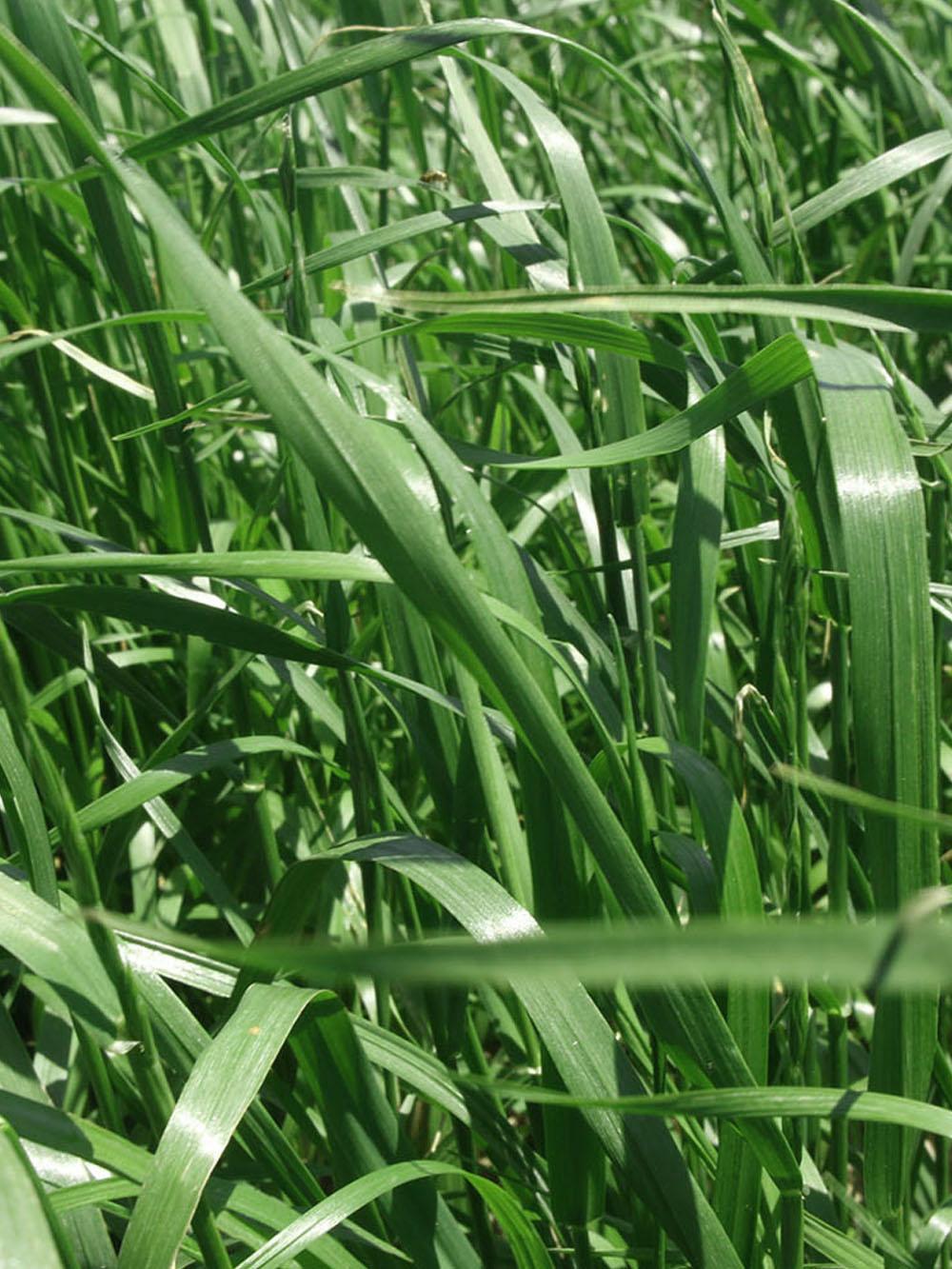
Yolande Italian ryegrass germinates rapidly and establishes quickly with a lush, dense growth habit. As a tetraploid variety, it possesses double the number of chromosomes compared to diploid Italian ryegrass, resulting in larger plants with broader leaves. The leafy growth tolerates grazing while maintaining better forage quality and high dry matter quantities.
YOLANDE has proven very rust-tolerant in the official French trials, with a score at the top level competing even with the best tetraploids. Its tolerance to Xanthomonas and Drechslera leaf spot is also good.
Key Features
- Excellent forage yield, diploid variety
- High forage quality
- High forage yield
- Will not set seed in seeding year
- Excellent disease resistance

General Characteristics
Livestock
Alpaca/Llama ,
Cattle ,
Goats ,
Horses ,
Sheep
Usage
Hay ,
Silage ,
Pasture ,
Cover Crop ,
Erosion Control ,
Emergency Forage
Segment
Forage
Species
Ryegrass, Italian
Sci. Name
Lolium perenne
Botanical Name
Italian
Seed Characteristics
Seed Size
Medium
Seed Weight
0.4g/100 Seeds
Seeding Information
Approx. Seeds/Lb.
227,000
Approx. Seeds/Kg.
499400
Seeding Rate - Alone/New (Kg./Hectare)
23-45
Seeding Rate - Alone/New (Lbs./Acre)
20-40
Planting Times
Spring, Late Summer-Early Fall
Seeding Rate - Mixes (Kg./Hectare)
6-12
Seeding Rate - Mixes (Lbs./Acre)
5-10
Plant Characteristics
Auricles
Absent
Leaf Blade Margins
Smooth
Leaf Blade Folding
Open
Leaf Color
Dark Green
Leaf Length
Long
Leaf Width
Wide
Leaf Sheath Color
White
Leaf Pubescence
Glabrous
Basal Hairs
Absent
Waxy Bloom on Leaf
Present
Emergence (Days)
14
Growth Habit, Fall
Medium
Growth Habit, Spring
Medium
Plant Height
Medium
Pest and Disease Resistance
Net Blotch
Not Tested
Stem Rust
Not Tested
ca.dlf.com