

Chantilly
Strong Creeping Red Fescue
SEEDS & SCIENCE
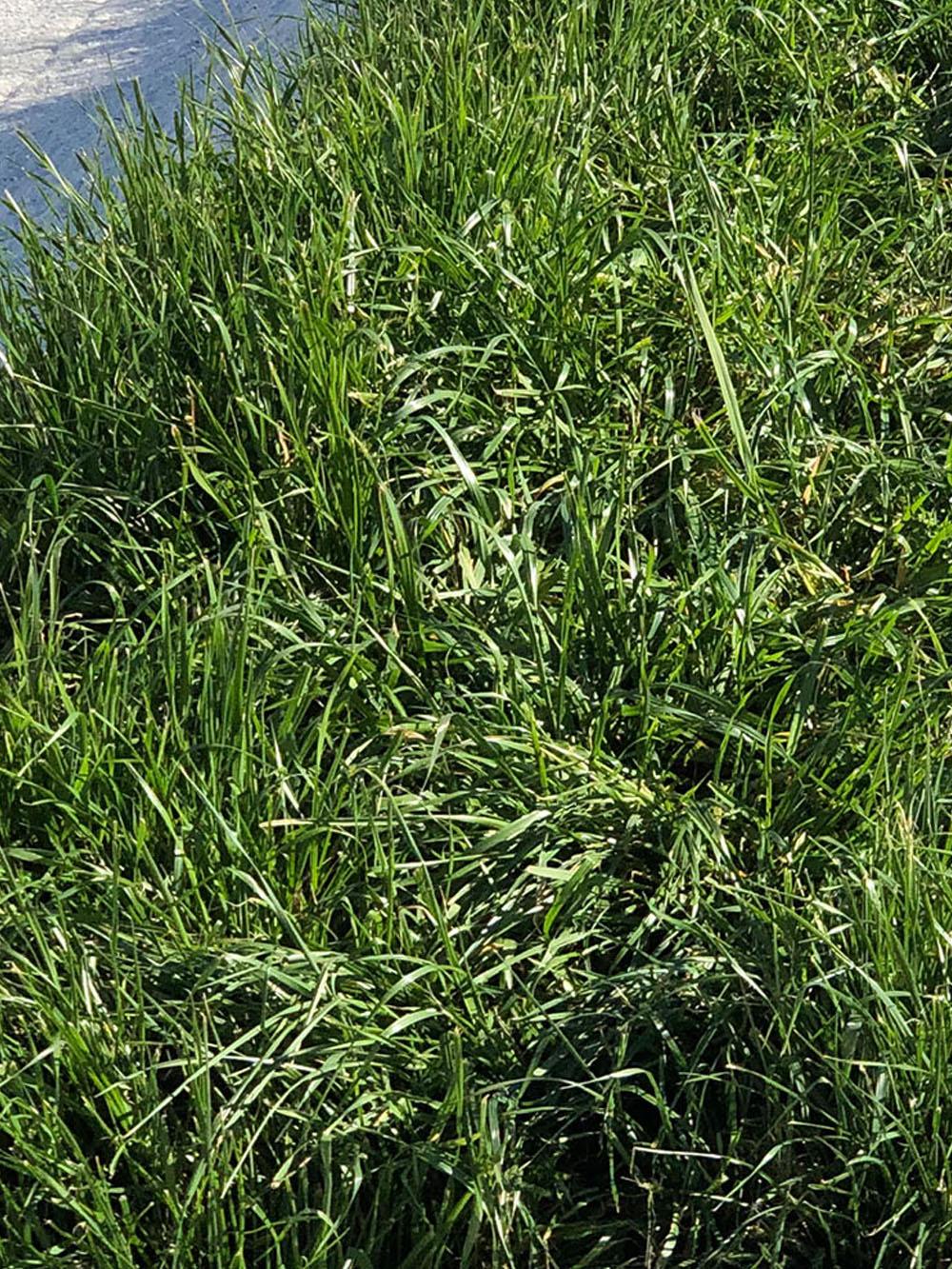
Description
Chantilly is a beautiful strong creeping red fescue resulting from
recurrent selections and crosses using plants from
persistent older turfs. The natural presence of endophyte
works to repel surface feeding insects and subsequent
vulnerability to stresses and disease, especially red thread
(common in creeping red fescues). Possessing a dark green
color with bright highlights, abundant tillers for increased
density and the absence of leaf disease, the inherent beauty
of Chantilly is evident in the quality of the turf produced.
Chantilly has demonstrated excellent wear tolerance and
high density year round. It has superior salt tolerance and
high summer stress tolerance. Chantilly has also shown
reduced invasion of Poa annua and crabgrass.
Key Features
- Dark green color with bright highlights
- Endophyte presence repels surface-feeding insects
- Excellent wear tolerance and high-density year-round
- Superior salt tolerance and high summer stress tolerance
- Red thread resistance
- Demonstrates reduced invasion of Poa annua and crabgrass

General Characteristics
Establishment (Days)
18-21
First Mowing (Days)
21
Endophyte + (Yes, No)
Yes
Germination (Days)
7-10
Mowing Frequency (Per Week)
1
Nitrogen Requirement (Low, Med, High)
Low
Segment
Turfgrass
Species
Strong Creeping Red Fescue
Sci. Name
Festuca rubra rubra
Seeding Information
Approx. Seeds/Lb.
400000
Approx. Seeds/Kg.
880000
Seeding Rate - Alone/New (Kg./Hectare)
225-285
Seeding Rate - Alone/New (Lbs./Acre)
200-250
Seeding Rate - Overseed (Lbs./1000 sq. ft.)
2-4
Seeding Rate - Interseed (Lbs./1000 sq. ft.)
2-4
Seeding Rate - Interseed (Kg./100 sq. meters)
1-2
Seeding Rate - New (Kg./100 sq. meters)
2-3
Seeding Rate - New (Lbs./1000 sq. ft.)
4-6
Seeding Rate - Overseed (Kg./100 sq. meters)
1-2
ca.dlf.com